Helping organisations see what matters before it matters.
Preparedness is often associated with emergency plans and response arrangements.
More than two decades working across humanitarian, government and public-sector settings have taught me that preparedness is more than a plan on a page.
It is about understanding the systems we depend on before disruption puts them to the test - the relationships, dependencies, assumptions and ways of working that shape our resilience and capacity to adapt when conditions change.
Making these visible creates an opportunity to learn, strengthen capability and adapt while there is still time to act.
The ideas that shape my work
Three ideas underpin how I think about preparedness and adaptive capacity:
Recovery reveals resilience. Preparedness creates it.
Communities experience the whole system. Organisations often experience only part of it.
Preparedness is a learning process.
These ideas underpin the way I approach every engagement, regardless of the sector or challenge.
My experience
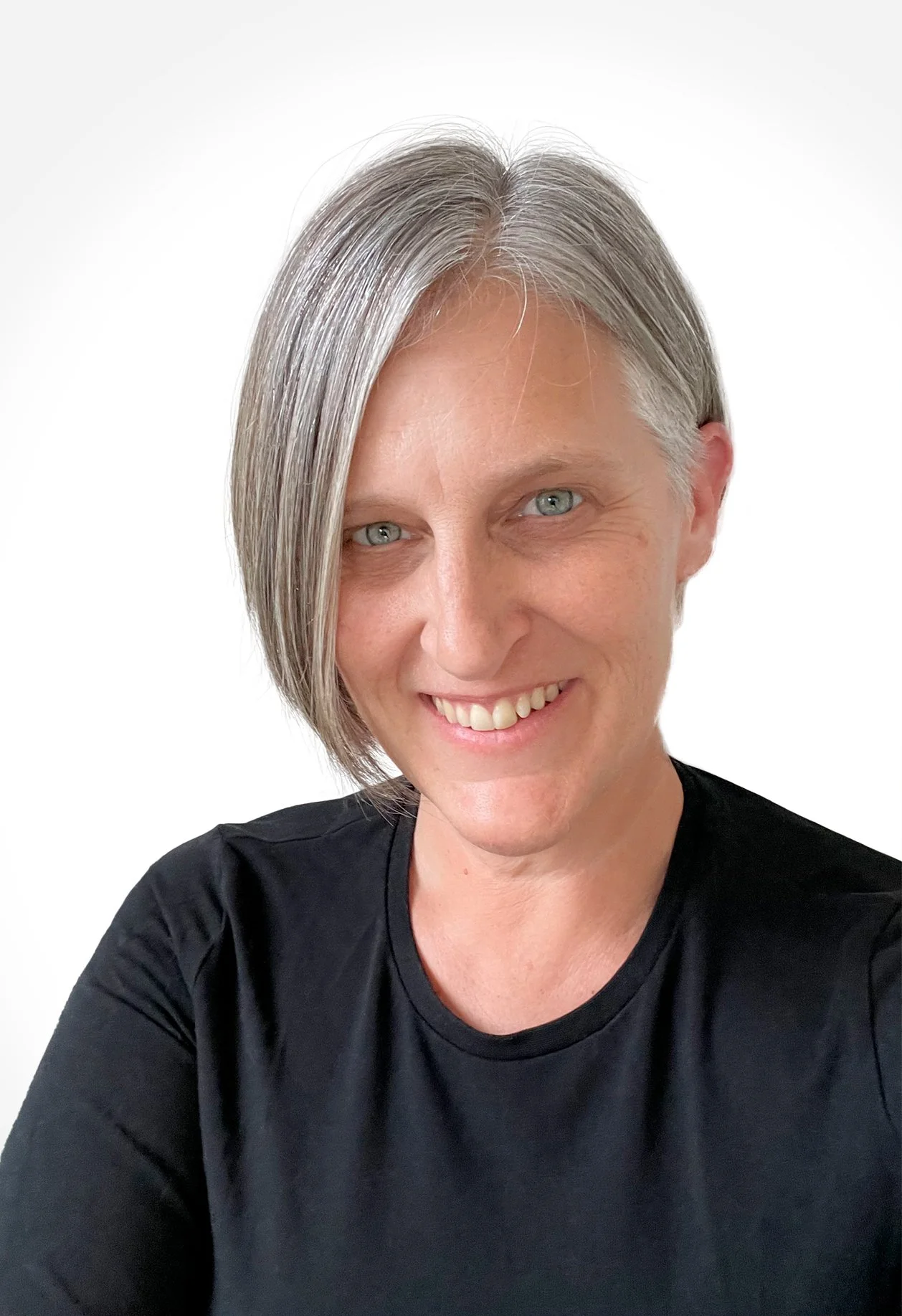
I’m Deanna. For more than two decades, I have worked across humanitarian, government and public-sector settings, helping organisations learn, prepare and adapt in complex and changing environments.
My work has included organisational learning, capability development, facilitation, systems thinking, scenario-based learning, simulations, policy and guidance — including work with Médecins Sans Frontières, the United Nations World Food Programme, the World Health Organization, UNICEF and World Vision, across Pakistan, South Sudan, Uganda, Myanmar, Nepal, the Philippines and ASEAN nations.
I hold a Master’s in Humanitarian Logistics and Management from the University of Lugano, Switzerland, alongside further training in trauma-informed and process-oriented facilitation and coaching.
Although the contexts have varied, the underlying challenges have remained remarkably consistent.
The issues that matter most rarely sit neatly within organisational boundaries. They emerge through relationships, dependencies, assumptions and decisions across the wider system.
Helping organisations see those connections, build shared understanding across boundaries and strengthen their capacity to act and adapt has become the focus of my work.
Working together
Every organisation is different.
Every community is different.
There is no single formula for preparedness.
My role is not to arrive with predetermined answers.
It is to help organisations explore their own systems, ask better questions and build the shared understanding needed to make informed decisions before disruption occurs.
That understanding becomes the foundation for stronger collaboration, greater adaptive capacity, organisational resilience and more effective preparedness.